
Solution
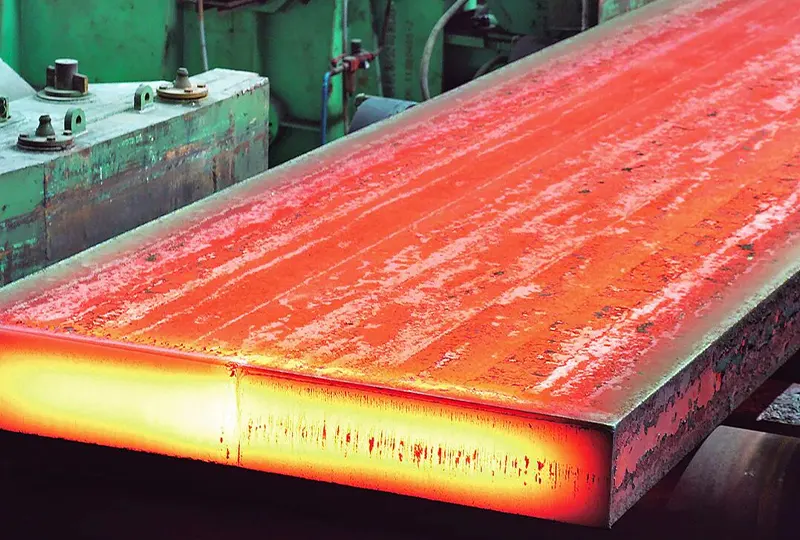
Metallurgy

NKFB Bearings
Next-Generation Kinetic Energy Friction EliminatorMetallurgical production is a typical scenario of high load and extreme working conditions. From ore smelting to steel rolling, equipment needs to operate in a heavy load, high temperature, and dusty environment for a long time. Bearings, as the core transmission components, are designed with specialized structures and materials, becoming the key support for the stable operation of metallurgical production lines.
1、 Core requirements for bearings in the metallurgical field
The working characteristics of metallurgical equipment determine that bearings need to have the ability to distinguish themselves from conventional industrial bearings:
Heavy load bearing: It needs to withstand radial and axial loads of hundreds of tons, adapting to the high load transmission requirements of equipment such as rolling mills and cranes;
High temperature resistance: able to withstand high temperature radiation from smelting and rolling processes (with some scenarios exceeding 200 ℃), while maintaining lubrication and operational stability;
Dust protection: equipped with high-strength sealing structure to prevent dust and iron filings from entering the metallurgical environment, avoiding accelerated bearing wear;
Long lifespan and impact resistance: Adapt to frequent start stop and impact loads of equipment, reduce the impact of shutdown maintenance on continuous production.
2、 Key application scenarios of bearings in metallurgical production lines
Bearings run through the entire process of metallurgical production, playing a core role from front-end smelting to back-end processing
1. Smelting process: high temperature resistance and dust resistance
In the bucket lifting equipment of blast furnace and converter, the self-aligning roller bearing (matched with high temperature resistant grease) is used in the transmission system of the winch - its large load bearing design can support the lifting of the heavy load bucket, and the sealing structure can block the dust and high-temperature flue gas in the smelting environment to ensure the continuous operation of the equipment.
2. Rolling process: Heavy load and high precision
In the working roll transmission structure of rolling mills (such as hot rolling mills and cold rolling mills), four column cylindrical roller bearings are the core components:
Its multi roller structure can disperse rolling loads of hundreds of tons, adapting to the high pressure requirements during steel plate rolling;
High precision raceway design can ensure the operational accuracy of the rolling mill, ensuring the uniformity of steel thickness and surface quality.
3. Material transfer process: impact resistance and long service life
In the crane and conveyor equipment in the metallurgical plant area, the outer spherical bearing with seat (reinforced seal) undertakes the task of material transportation - its impact resistant structure can adapt to the start stop load of the lifting equipment, and the sealing design can block iron filings and dust in the plant area, extending the service life of the bearing.
3、 The value of bearings in the metallurgical field: a dual guarantee of stability and efficiency
For metallurgical enterprises, the application of specialized bearings is the core to ensure the continuous and efficient operation of production lines:
Improving production stability: The design features of heavy load and high temperature resistance enable bearings to adapt to metallurgical extreme working conditions, reducing production line interruptions caused by equipment failures;
Reduce operation and maintenance costs: Long life and wear-resistant design significantly reduces the frequency of bearing replacement, while also reducing the manpower and time investment in equipment maintenance;
Ensuring product quality: Equipment such as rolling mills supported by high-precision bearings can improve the dimensional accuracy and surface quality of metallurgical products, helping to upgrade product quality.
From the lifting of the material tank in the blast furnace to the rolling of steel in the rolling mill, bearings, with their characteristics of "strong load-bearing, high temperature resistance, and resistance to harsh environments," have become the "invisible skeleton" for the stable operation of metallurgical production lines under extreme working conditions, supporting the efficient production and quality output of the metallurgical industry.